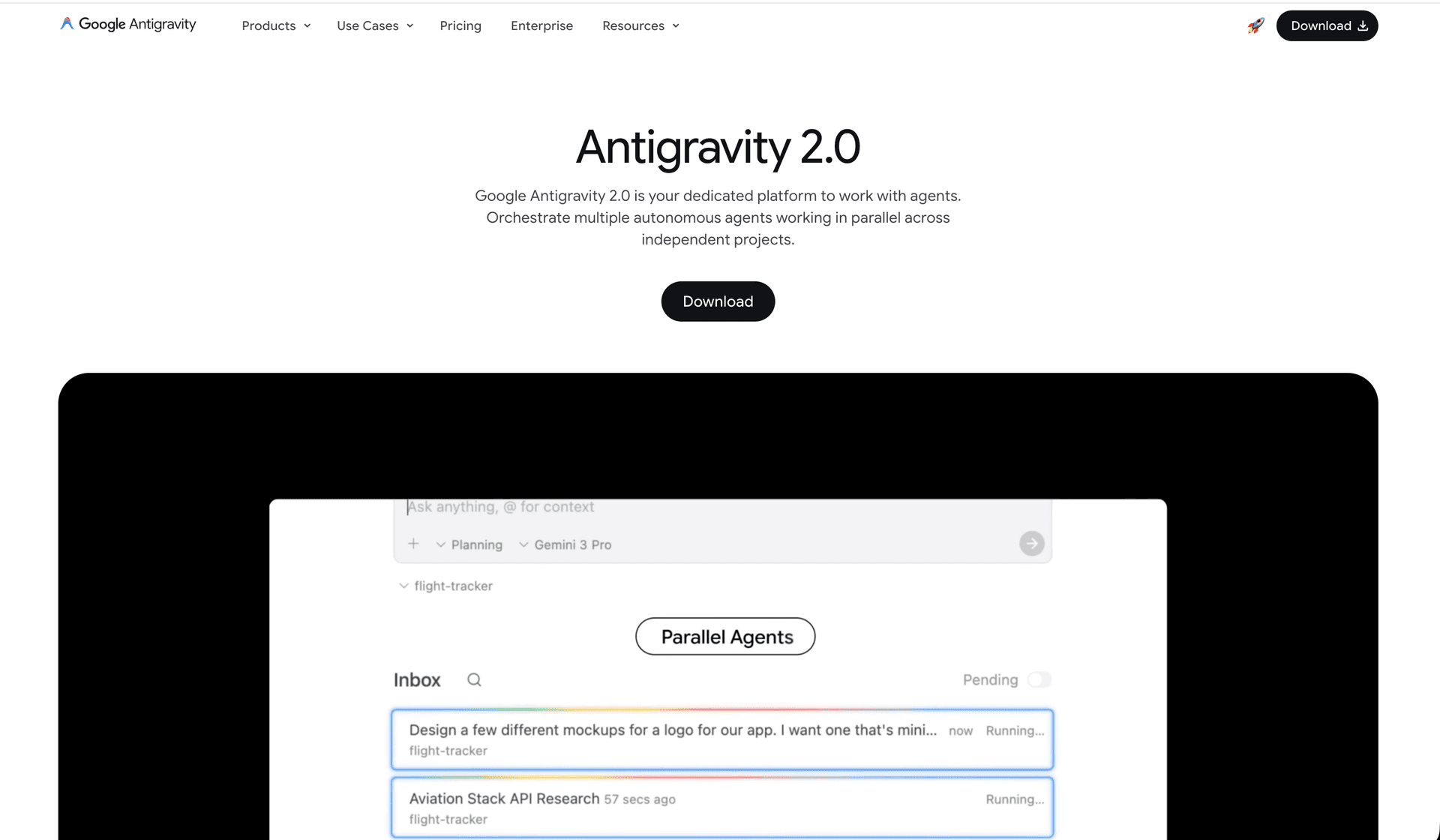

When a single AI agent reaches its reasoning ceiling, the natural impulse is to divide and conquer: spawn a researcher, a writer, a reviewer, and a supervisor, letting them converse until the work is finished.
On paper, this mirrors how human engineering teams function. In software practice, however, multi-agent systems often introduce compounding latency, conversational drift, and Byzantine coordination failures.
Here is what three months of building, benchmarking, and debugging multi-agent graphs taught me about distributed agent architectures.
1. Conversational Chat Rooms Are an Anti-Pattern
The naive way to construct multi-agent systems is to place all agents in a shared group chat where each agent responds in turn:
Researcher: "Here is the data on distributed consensus."
Writer: "Great, I will draft the introduction based on that."
Reviewer: "Could we clarify paragraph two?"
Supervisor: "Let's summarize the next steps."
This conversational format rapidly degenerates:
- Noise Accumulation: Every agent pays token costs for the entire chat transcript.
- Role Bleed: When the context window fills with chat banter, agents lose precision and start mimicking each other's tones.
- Coordination Lock: Synchronous turn-taking makes overall pipeline latency the sum of all individual agent latencies.
// Anti-pattern: Shared unstructured chat history
interface GroupChatState {
  allMessages: { role: string; name: string; content: string }[];
  currentTurn: string;
}
Instead of a noisy chat room, treat agents like independent microservices with typed message queues.
2. Event-Driven Hub-and-Spoke Topology
The architecture that proved vastly more reliable is a centralized blackboard pattern with an orchestrator node managing specialized workers.
graph TD
    Router[Supervisor / Router Node]
    Router -->|Task Payload| W1[Research Worker]
    Router -->|Code Snippet| W2[Verification Worker]
    Router -->|Draft Spec| W3[Writer Worker]
    W1 -.->|Typed Artifact| Router
    W2 -.->|Test Results| Router
W3 -.->|Final Markdown| RouterThe Blackboard Pattern
Workers do not speak directly to each other. Instead:
- The Supervisor decomposes the goal into atomic deliverables.
- Workers receive only the specific data slice needed to perform their task.
- Workers output structured JSON artifacts that write into a central memory state.
- The Supervisor verifies preconditions before scheduling downstream workers.
interface SharedBlackboard {
  taskId: string;
  sourceBrief: string;
  extractedFacts: FactItem[];
  codeSnippets: CodeValidation[];
  currentStatus: "idle" | "researching" | "verifying" | "complete";
}3. Parallel Execution Cuts Latency by 65%
In our initial synchronous pipeline, completing a complex technical report took upwards of 45 seconds. By identifying tasks that do not have causal dependencies, we dispatched workers concurrently:
// Concurrent dispatch in modern graph runtimes
async function executeParallelPhase(state: SharedBlackboard) {
  const [marketAnalysis, technicalAudit] = await Promise.all([
    runMarketResearcherNode(state.sourceBrief),
    runCodeAuditorNode(state.codeSnippets),
  ]);

  return {
    ...state,
    marketAnalysis,
    technicalAudit,
    currentStatus: "verifying",
  };
}
This single architectural change reduced our 95th percentile turnaround time from 42s down to 14.5s.
4. Guardrails and State Serialization
When managing multiple autonomous processes, failure is an inevitability:
- One agent might hit an external API rate limit.
- Another might return invalid JSON.
- An agent might timeout after 30 seconds.
If your state isn't serializable and persisted to a durable store after every transition, a single transient network glitch forces you to restart the entire multi-minute pipeline.
Rules We Live By:
- Every node transition commits a snapshot to PostgreSQL / Redis.
- Idempotency keys prevent duplicate tool calls on retry.
- Human-in-the-loop checkpoints allow engineering leads to approve high-risk side effects.
Summary
Multi-agent architecture isn't about making agents more verbose or conversational. It's about applying sound distributed systems thinking: explicit message contracts, parallel execution pipelines, isolated memory, and defensive error boundaries.